Safe pet exercise begins with the animal in front of you. Northern Michigan families can plan cooler-weather activity around individual comfort and current conditions, rather than trying to finish the longest possible route.
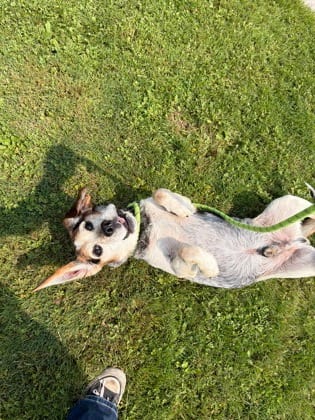
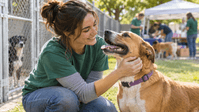
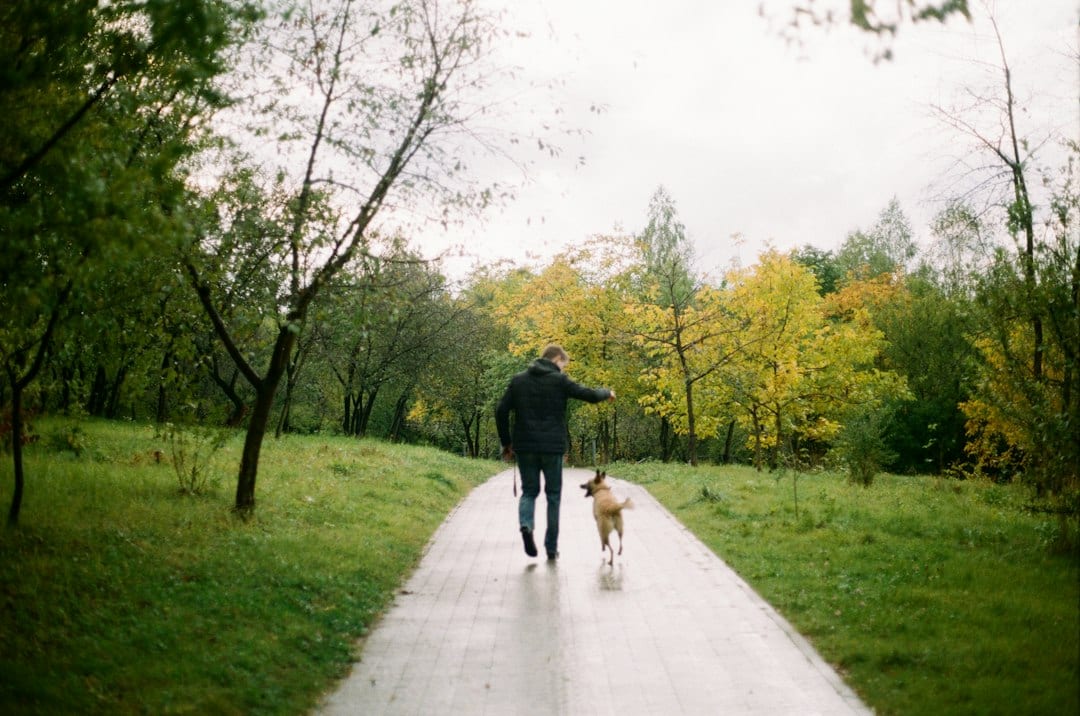
The Chicago Veterinary Medical Association recommends a veterinary discussion before starting a new exercise program, followed by a gradual start. Watch for unusual fatigue or breathing difficulty, let dogs stop, keep running dogs leashed, and provide water.
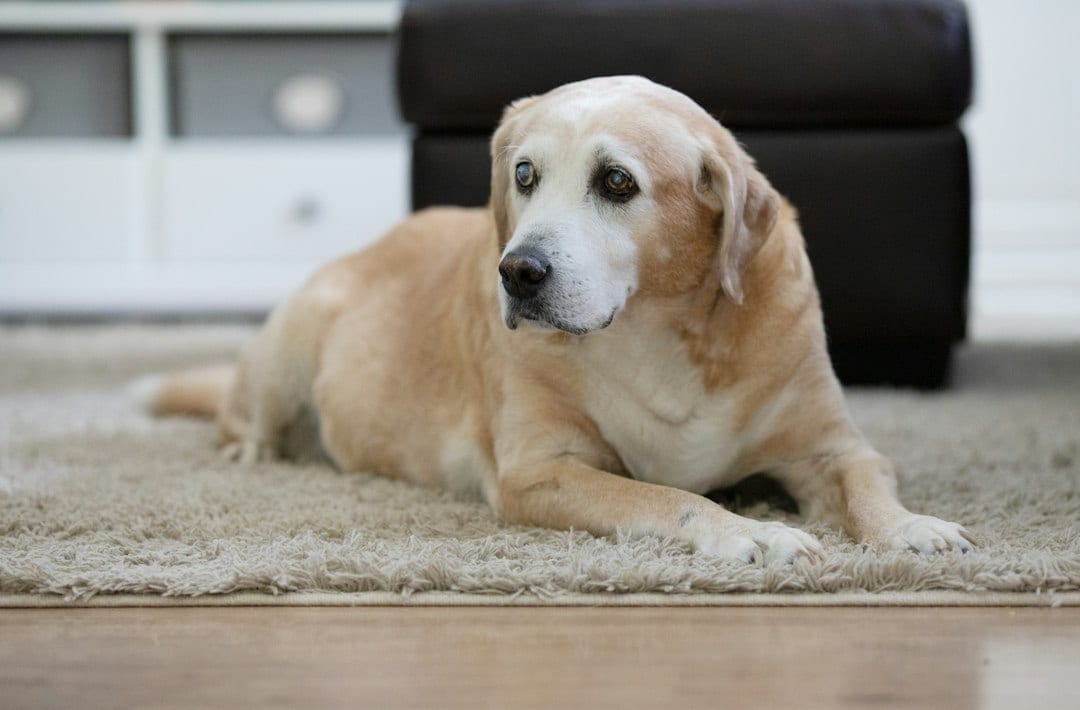
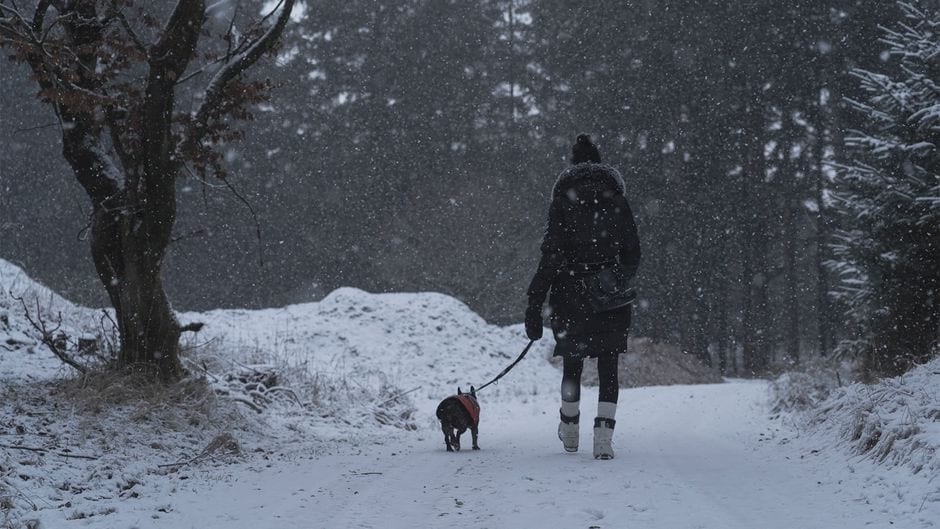
Cornell explains that cold tolerance depends on factors including size, age, health, body condition, and coat. Shivering, lifted paws, a tucked tail, a hunched posture, or reluctance to walk are reasons to move into a warm, dry place.
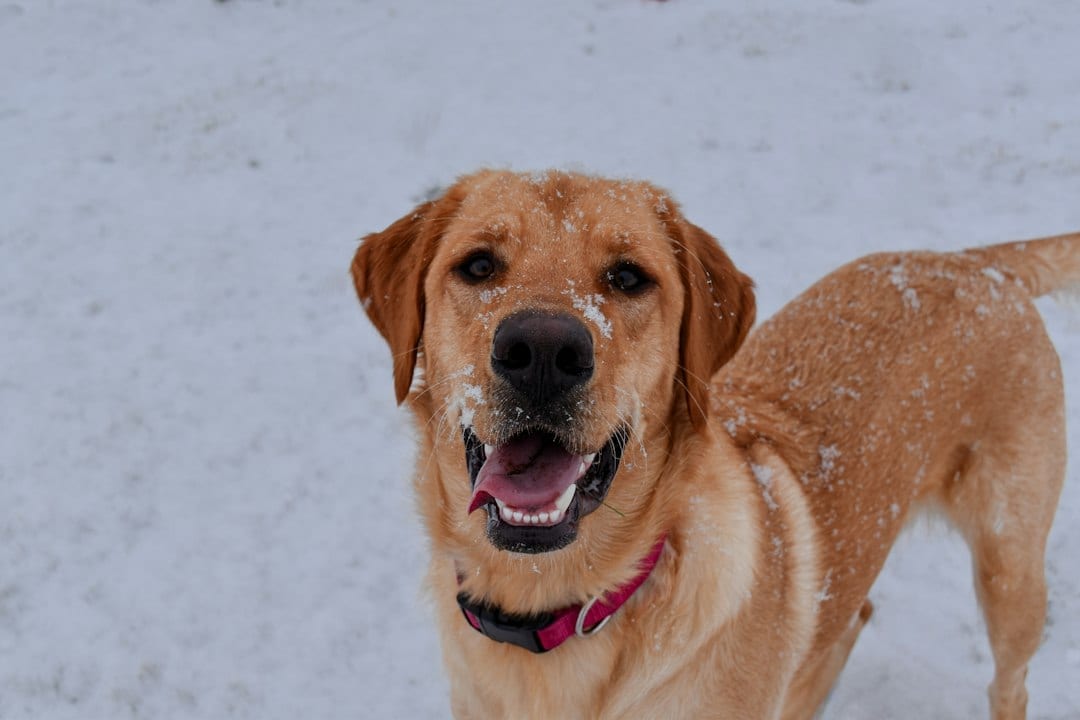
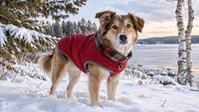
AAHA recommends shorter, more frequent walks in extreme cold. Suitable coats and tolerated booties may help some dogs, while a leash keeps them from wandering onto frozen water. Wipe ice, salt, and debris from paws afterward.
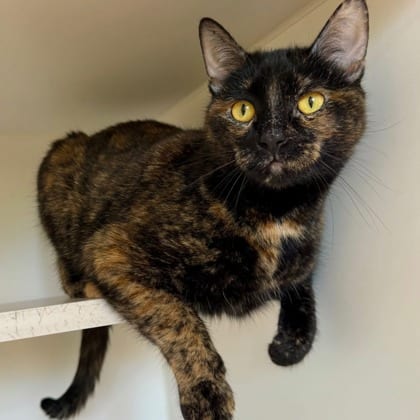
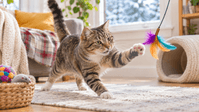
When conditions limit outdoor activity, use suitable indoor games or training. Cats can enjoy short play opportunities with safe toys and appropriate climbing or scratching spaces; recovery restrictions should always come from the treating veterinarian.
A suggested household plan combines a comfortable outing, an indoor activity opportunity, and rest, without prescribing a universal exercise dose. Track what your pet enjoys and discuss difficulties with a local veterinarian.