

Safe Pet Exercise for Cooler Northern Michigan Days |
Comfortable dog walks and indoor movement tailored to your pet |
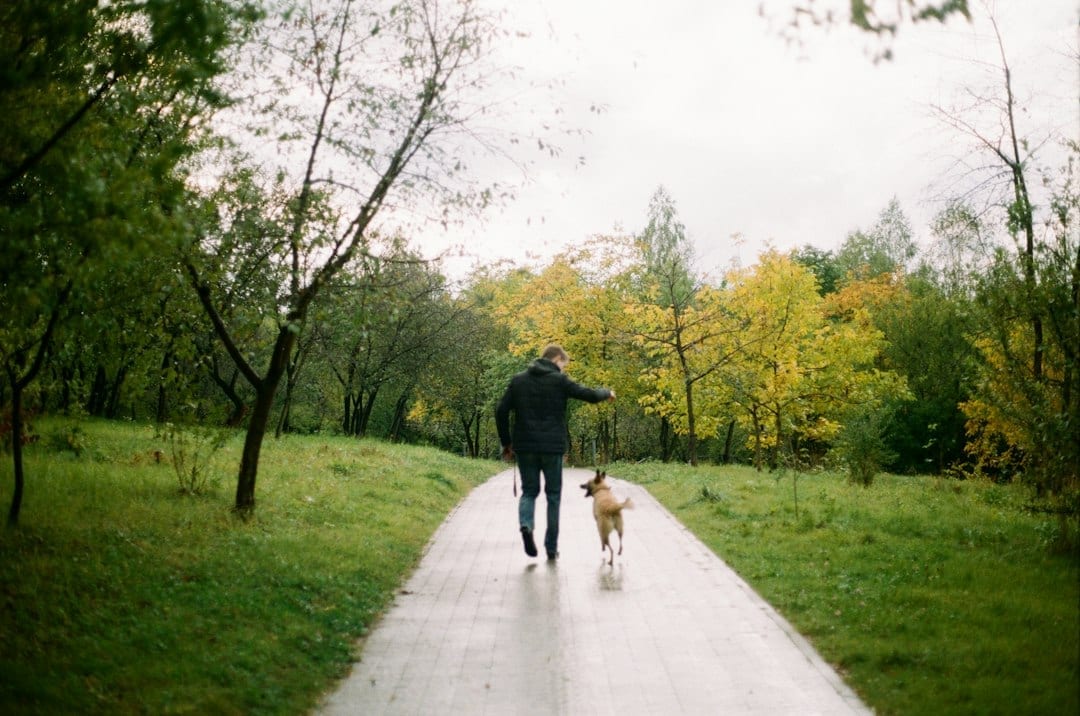
Illustrative stock photo. Photo by Julia Vivcharyk on Unsplash. Not a photograph of a Northern Michigan location or local pet.
Build a routine your pet can enjoy
A good exercise plan leaves room for the individual animal and for conditions outside the door.
For Northern Michigan families planning cooler-weather outings, the useful question is what their own pet can comfortably manage today.
There is no need to turn a neighborhood walk into a distance contest.
Choose a routine that can be adjusted instead of judging success only by the longest route completed.
Start with your veterinarian
The Chicago Veterinary Medical Association recommends discussing a new exercise program with your veterinarian and starting slowly after approval.
Different animals need different amounts and types of activity.
Ask what is appropriate for your pet’s age, current fitness, and health, especially before moving from gentle walks to running or harder exercise.
During activity, watch for unusual fatigue or breathing difficulty and let the dog stop rather than pushing through.
The association also advises keeping running dogs leashed, making pets and people visible after dark, and providing fresh water.
Those basics belong in the plan before adding speed, distance, or a more demanding route. Source: Chicago VMA: Exercising Your Pet
Let your dog’s response guide the outing
Cornell University’s canine health guidance explains that cold tolerance varies with age, size, health, body condition, and coat thickness.
Small dogs, puppies, older dogs, and thin-coated animals may need extra protection.
Watch for shivering, lifted paws, a tucked tail, a hunched posture, or reluctance to keep walking.
Cornell recommends moving the dog into a warm, dry area when these signs appear.
Do not use another dog’s enthusiasm for snow as a measure of your own pet’s comfort.
If you suspect frostbite or hypothermia, seek veterinary care immediately rather than waiting to see whether the next outing goes better. Source: Cornell: Winter Safety Tips |
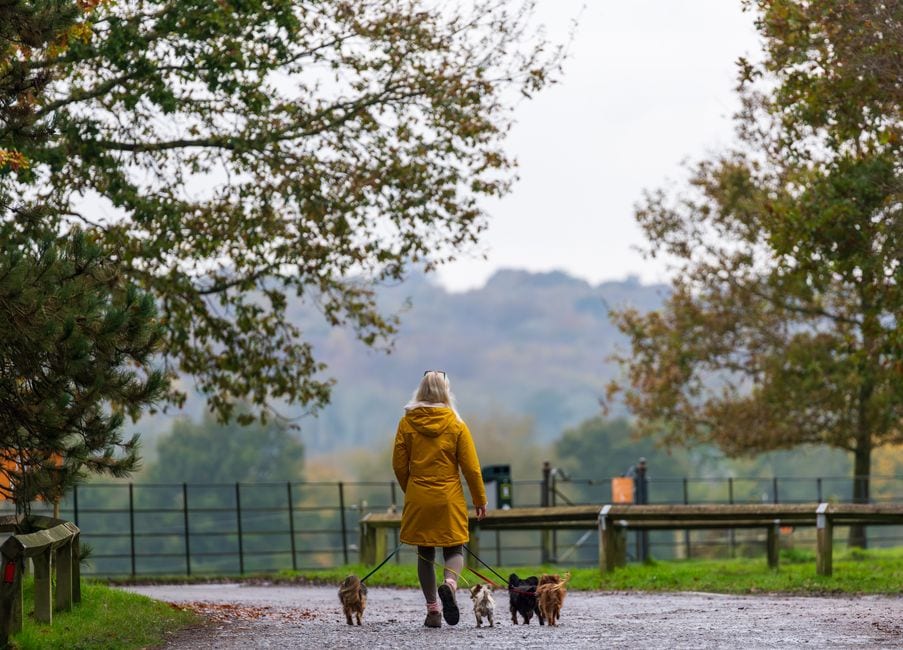 Photo by Ar kay on Pexels — Illustrative stock photo; not a local documentary image. |
Shorten the route when conditions call for it
AAHA recommends short, more frequent walks instead of long outings in extreme cold.
A well-fitting coat may help a short-haired dog, provided it allows comfortable movement.
Keep dogs leashed around frozen lakes and ponds so they cannot wander onto ice that may not support them.
After a walk, remove ice, salt, and debris from the paws with a warm, damp cloth.
Booties may be useful if the dog tolerates them.
Check the route before setting out, choose a manageable turnaround point, and be willing to head home earlier than planned. Source: AAHA: Cold Weather Pet Safety
Move the activity indoors when needed
Indoor time can include more than lying beside the couch.
AAHA suggests interactive games, puzzle toys, and training when outdoor conditions limit activity.
Keep the challenge appropriate for the animal, and arrange a clear area where play can happen without a crowded obstacle course.
For cats, the Chicago veterinary association describes short bursts of play, safe chasing and batting opportunities, and places to climb or scratch.
Let the animal choose whether to engage, and remove objects that could be swallowed.
For a pet recovering from an injury or operation, ask the treating veterinarian which activities are permitted before introducing a new game. Source: Chicago VMA: Exercising Your Pet; AAHA: Cold Weather Pet Safety
Make a practical household plan
A suggested family routine is a comfortable outdoor outing when conditions allow, a separate indoor play opportunity, and a quiet rest period.
That is an organizational example, not a required exercise dose.
Write down what your pet enjoyed and where the activity became difficult, then bring those observations to the next veterinary visit.
Cornell also warns that slippery winter surfaces can make mobility harder for dogs with arthritis, another reason to tailor the route.
Up North Paws’ veterinarian directory can help readers begin that conversation locally.
The goal is repeatable, comfortable activity that fits the pet, with permission to change the day’s plan when weather or health calls for it. Source: Cornell: Winter Safety Tips
Sources and further reading |


0 Comments
Join the conversation
Be the first to comment
Share your thoughts above.