

Is Your Older Pet Slowing Down—or Trying to Tell You Something? |
Behavior and mobility changes in senior dogs and cats deserve attention. |
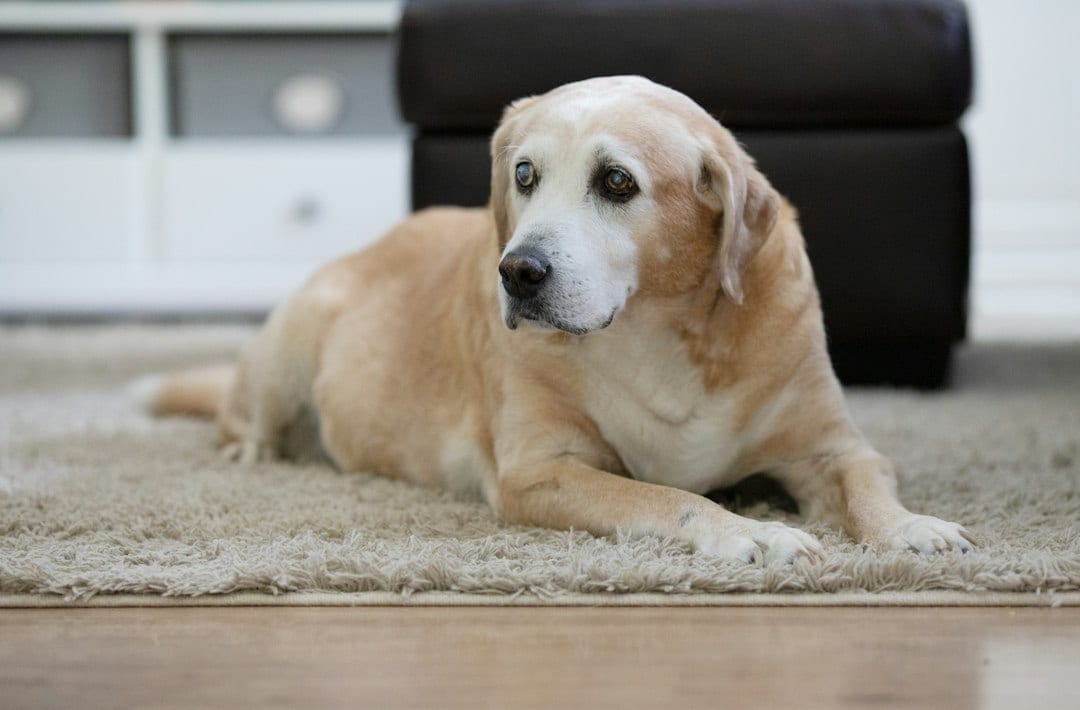
An older dog hesitates before climbing the stairs. A senior cat stops jumping onto a favorite windowsill. It can be tempting to dismiss changes like these as ordinary aging, but they may be signs of discomfort or illness.
Watch everyday habits. Changes in walking, jumping, grooming, sleep, appetite, bathroom routines or willingness to play can offer clues to a senior pet's health.
Pain is not always obvious. Some animals hide discomfort or simply become less active. Arthritis, dental disease and other treatable conditions may cause subtle changes.
Keep veterinary visits regular. Ask your veterinary team how often your senior pet should be examined. Depending on age and health, more frequent checkups and screening tests may be appropriate.
A veterinarian may recommend blood and urine testing, dental assessments or further evaluation if new symptoms appear.
Make daily life easier. Nonslip rugs, accessible bedding, ramps, litter boxes with lower sides and convenient food and water locations may improve comfort for animals with reduced mobility.
Do not medicate on your own. Many human pain relievers can be dangerous to pets. Work with your veterinarian on safe options for pain, mobility or chronic conditions.
Keep a short record of changes and, when useful, video movement problems at home to show your veterinarian.
Older pets still have plenty of affection and companionship to offer. Paying attention to small changes can help keep their later years more comfortable. |

0 Comments
Join the conversation
Be the first to comment
Share your thoughts above.