

Fun Pet Games for Northern Michigan Dogs and Cats |
Simple indoor enrichment, playful choices, and safer toy habits |
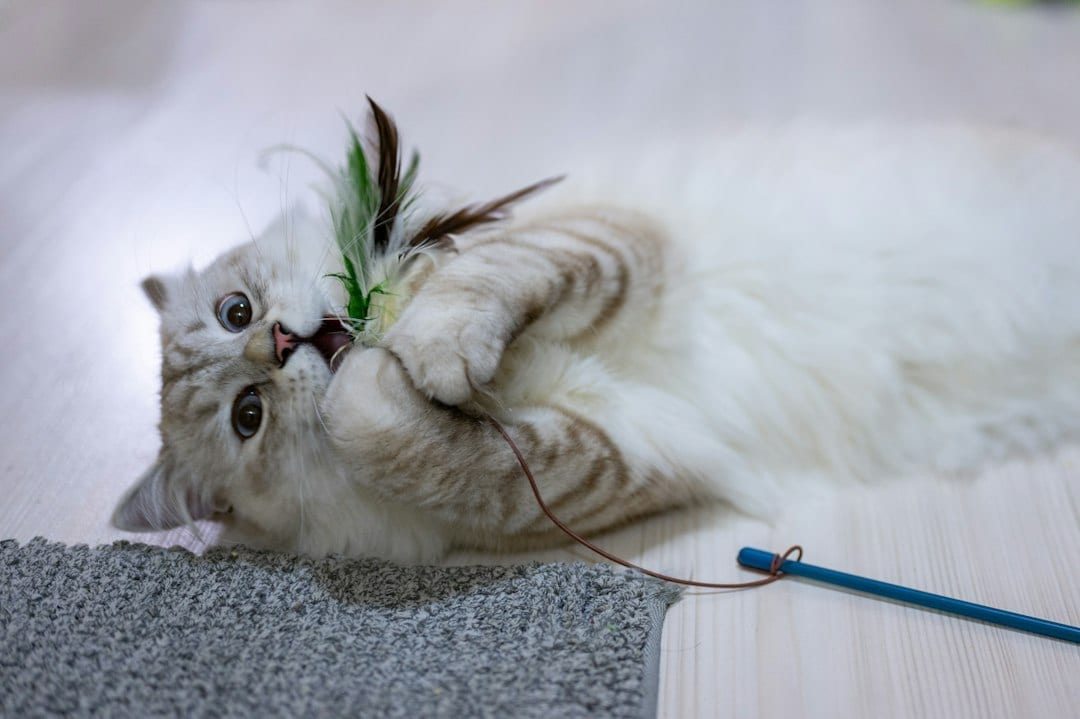
Illustrative stock photo. Photo by Piotr Musioł on Unsplash. Not a photograph of a Northern Michigan location or local pet.
Make room for a little fun
Pet fun time can begin with one suitable toy and a few minutes of attention.
For Northern Michigan households looking for activities at home, the ideas below offer a starting menu rather than a compulsory schedule.
Choose one, watch your animal’s response, and keep the experience easy to leave.
The best game for today is one your own dog or cat is willing and able to enjoy.
Give your dog a thinking job
AAHA’s enrichment guidance includes puzzle toys, short positive training sessions, and hide-and-seek with toys or treats.
Food-dispensing toys can also turn part of a meal into an activity.
Begin with an easy version so the animal has a reasonable chance to work out what to do.
One suggested household variation is to place a familiar toy in an obvious nearby spot and invite the dog to find it.
Keep food used for games within the established feeding plan rather than treating every activity as permission for extra snacks.
If your dog has a prescribed diet or physical restrictions, ask the veterinary team which games and rewards fit those limits. Source: AAHA: Enrichment at Home
Build a small menu of choices
Battersea’s guidance on brain games explains that mental activity matters alongside walks and physical play.
It can be especially useful when an older dog or one recovering from an operation cannot do as much physical exercise.
That does not make every puzzle appropriate during recovery; follow the treating veterinarian’s restrictions.
Try a suitable food puzzle or a simple search, then notice whether your dog engages comfortably or needs an easier task.
For your own notes, record the toy used, whether help was needed, and whether the animal chose to return.
Use those observations to decide what to offer again, without expecting every dog to enjoy the same challenge. Source: Battersea: Brain Games for Dogs |
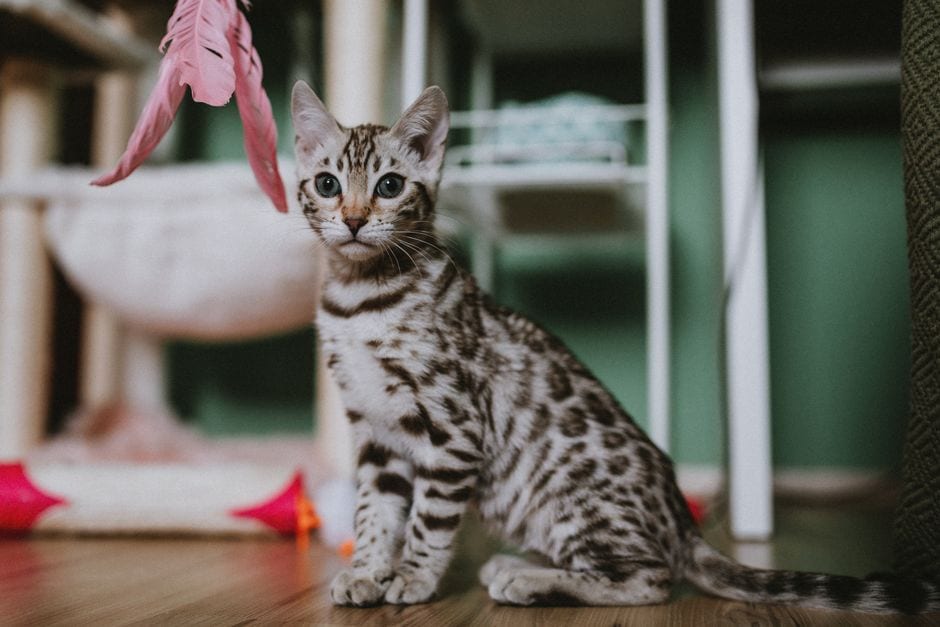 Photo by Helena Jankovičová Kováčová on Pexels — Illustrative stock photo; not a local documentary image. |
Let cats stalk, chase, and catch
Cats Protection recommends play that gives cats opportunities to express their natural hunting behavior.
Use toys rather than hands or feet, and make time for short sessions suited to your cat’s interest.
A wand toy operated by an adult can invite stalking and chasing while keeping fingers away from the action.
Allow chances to catch the toy instead of making every attempt unsuccessful.
Rotate toys to renew interest, and put away anything that could be shredded, swallowed, or cause entanglement.
A suggested household habit is to check the toy before and after each session, then return it to a designated storage spot. Source: Cats Protection: Cats and Play
Offer a setting worth exploring
RSPCA guidance for indoor cats includes cardboard boxes, suitable toys, and regular changes to keep activities interesting.
Interaction should also respect the cat’s choice: allow the animal to approach and move away rather than forcing contact.
For dogs, the organization recommends suitable toys, an environment free from hazards, and a quiet place to rest undisturbed.
Households with several dogs should provide enough resources to reduce competition.
A practical starting point is one clear play area and a separate resting place, with activities offered individually if sharing creates tension.
Fun time can include exploring or watching as well as energetic chasing. Source: RSPCA: Keeping Cats Indoors; RSPCA: A Good Home for Your Dog
Keep the invitation friendly
Battersea’s cat-play guidance notes that cats of different ages may have different play requirements or need encouragement.
Adapt the game to the animal instead of repeatedly presenting a toy it avoids.
A quiet cat may prefer a slower invitation, while a dog may choose a familiar search over a new puzzle.
For a newly adopted pet, ask the rescue or foster carer which toys and activities the animal already knows.
Local pet supply stores can help with product availability, while your veterinarian can answer questions about health limitations.
For today, pick one manageable activity, supervise it, and leave room for the pet to decide when fun time is finished. Source: Battersea: Playing With Your Cat
Sources and further reading Battersea: Brain Games for Dogs Cats Protection: Cats and Play |


0 Comments
Join the conversation
Be the first to comment
Share your thoughts above.