

Northern Michigan Winter Is Coming: Is Your Pet Ready? |
Simple precautions for freezing temperatures, ice, salt, and snow. |
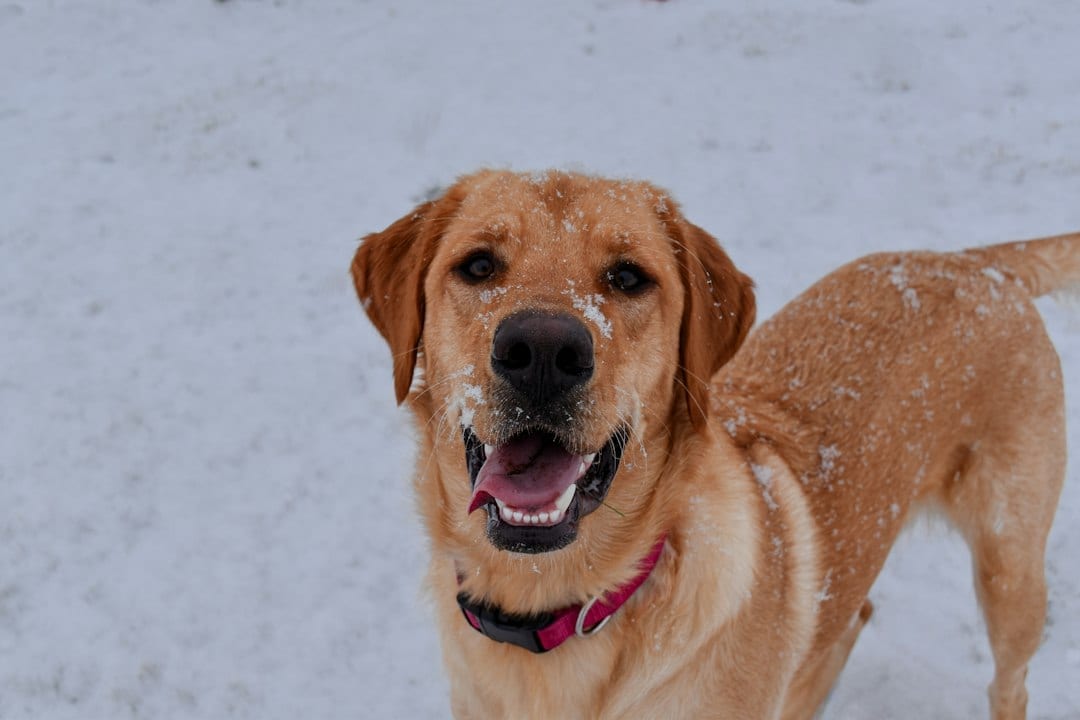
Northern Michigan winters bring icy sidewalks, snowy trails and temperatures that can challenge pets of every size.
Cold tolerance differs by age, size, health and coat. Puppies, seniors and short-haired animals may need shorter outings and added warmth.
Protect paws: Road salt and ice can irritate feet. Consider properly fitted boots, and wipe and dry paws, legs and bellies after walks.
Recognize cold stress: Shivering, repeatedly lifting paws, weakness or reluctance to walk can mean it is time to go inside.
Provide a dry, sheltered place: Pets need protection from wind, precipitation and extreme temperatures, plus fresh unfrozen water.
Secure antifreeze: Ethylene glycol antifreeze is extremely toxic. Store it safely and clean up spills promptly.
Keep identification current: Check collar tags and microchip contact details before winter weather arrives.
Exercise can continue with shorter supervised walks, scent games, food puzzles and short training sessions.
Avoid walking dogs onto frozen lakes or ponds because apparently solid ice can fail.
Sources: Cornell University College of Veterinary Medicine — https://www.vet.cornell.edu/departments-centers-and-institutes/riney-canine-health-center/canine-health-topics/winter-safety-tips ; Cornell Feline Health Center — https://www.vet.cornell.edu/departments-centers-and-institutes/cornell-feline-health-center/health-information/cat-health-news/cold-weather-tips-cats
Photo by Orissa Humes on Unsplash |



0 Comments
Join the conversation
Be the first to comment
Share your thoughts above.