

Northern Michigan Winter Pet Safety: Seven Ways to Protect Your Dogs and Cats |
A practical guide to cold-weather care, paw protection, storm planning, and winter hazards. |
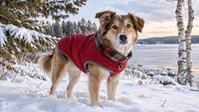
In Northern Michigan, winter isn't just another season. It's snow-covered roads, icy sidewalks, bitter winds, and temperatures that can make even a quick trip outdoors uncomfortable.
From Traverse City and Petoskey to Grayling and surrounding communities, pet owners need to prepare for cold weather just as they prepare their homes and vehicles.
While some animals enjoy playing in the snow, winter creates risks that shouldn't be overlooked.
Here are seven ways to help protect your pets.
1. Know Your Pet's Cold-Weather Limits
Every animal handles cold temperatures differently. Coat type, body size, age, health, and weather conditions all play a role.
Small dogs, short-haired breeds, puppies, senior animals, and pets with medical conditions may be particularly vulnerable.
Watch for shivering, lifting paws, reluctance to move, or unusual weakness. If your pet shows signs of discomfort, move indoors promptly.
Extreme shivering, slow breathing, collapse, or unresponsiveness can indicate a serious emergency. Seek immediate veterinary care.
2. Pay Attention to Paws
Ice, packed snow, and deicing products can irritate or injure paw pads.
After outdoor walks, wipe your pet's feet and check for redness, cracks, or snow trapped between the toes.
Properly fitted pet boots may help animals that tolerate them. Keep ice-melting chemicals out of reach and prevent pets from licking residue from their paws.
3. Keep Pets Warm and Dry
Most companion dogs and cats should stay indoors during severe winter weather.
Provide a warm resting area away from drafts, with comfortable bedding and access to fresh water.
Some short-haired or cold-sensitive dogs benefit from a properly fitted coat during brief outdoor trips. Even a winter coat does not eliminate the danger of frostbite or hypothermia.
4. Watch for Antifreeze and Garage Chemicals
Antifreeze containing ethylene glycol can cause life-threatening poisoning.
Store automotive chemicals securely, clean spills immediately, and keep pets away from contaminated garage floors and driveways.
If you suspect your pet swallowed antifreeze, contact an emergency veterinarian immediately. Do not wait for symptoms.
5. Make Winter Easier for Senior Pets
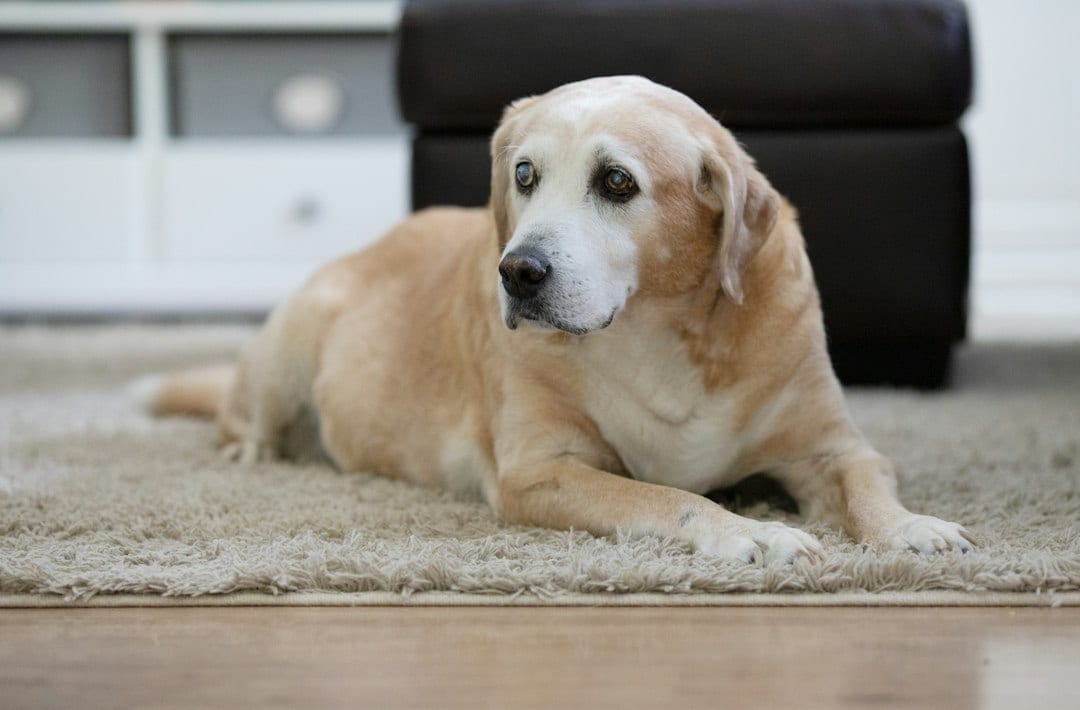
Older pets may have arthritis or mobility problems that make icy steps and slippery surfaces especially difficult.
Clear a safe bathroom path, provide traction on indoor floors, and consider shorter, more frequent outdoor trips.
Ask your veterinarian about managing mobility concerns if your pet appears stiff, painful, or reluctant to move.
6. Prepare for Winter Storms
A sudden winter storm can interrupt travel, power, and access to essential supplies.
Keep a pet emergency kit containing food and drinking water; necessary medications; identification and medical records; leashes, carriers, and bedding; and cleanup supplies.
Keep microchip contact information current and identify a pet-friendly location your family could use if evacuation becomes necessary.
7. Make Indoor Time Count
When outdoor activity is limited, indoor play helps pets remain engaged.
Food puzzles, safe scent games, training, and supervised interactive toys can turn a snowy afternoon into an opportunity for fun. Choose activities appropriate for your animal's age and health.
A Little Preparation Goes a Long Way
Northern Michigan winters can be beautiful, and many pets enjoy experiencing the season with their families.
Check conditions before walks, protect paws, keep pets indoors during severe weather, and prepare for emergencies.
The best winter adventures end with everyone—two-legged and four-legged—back home, warm and safe.
Find more pet safety tips and animal-friendly Northern Michigan resources at UpNorthPaws.com.
|

0 Comments
Join the conversation
Be the first to comment
Share your thoughts above.